

A truly unforgettable wedding is more than just a series of events; it’s a carefully orchestrated experience built on a cohesive vision and aesthetic harmony. Wedding planning and bridal styling, while distinct, are deeply intertwined. The bride’s personal style, reflected in her attire and overall look, acts as a central thread that influences every design decision, from floral arrangements to stationery. When these elements align seamlessly, they create an event design that feels authentic, polished, and uniquely yours.
Defining Your Wedding Vision and Bridal Aesthetic
Before diving into dress shopping or vendor selection, the first crucial step is to define your personal bridal style and overall wedding vision. This isn’t just about choosing what you like, but about asking yourself: “How do I want to look and feel on my wedding day?” Your answer will serve as a compass, guiding all subsequent decisions.
Bridal styles often fall into several key categories, each with its own distinct charm:
- Romantic: Characterized by whimsy, soft details, and ultra-feminine elements. Think ethereal fabrics like tulle and chiffon, delicate lace, floral embellishments, and flowing silhouettes. Hair and makeup tend to be soft, with natural waves or updos and a glowy, fresh face.
- Classic: This style is all about timeless elegance and understated sophistication. Brides often opt for clean lines, traditional silhouettes like A-line or ballgown, and luxurious fabrics such as satin or silk. The goal is a look that will remain stylish for decades, often complemented by heirloom jewelry and polished hair and makeup.
- Boho: For the free-spirited bride, bohemian style embraces an effortless, natural, and relaxed vibe. Expect flowy, comfortable fabrics, intricate lace, earthy tones, and unique details. Hair is often loose and natural, perhaps adorned with a flower crown, and makeup is minimal and fresh.
- Modern: Defined by clean lines, architectural details, and sleek sophistication. Modern brides often choose unfussy fabrics like crepe or silk satin, minimalist designs, and contemporary accessories. Hair is typically sleek, and makeup is sharp and refined.
- Glamorous: This style is for the bride who loves drama, sparkle, and high-fashion impact. Think beaded gowns, dramatic silhouettes, luxurious embellishments, and a touch of Old Hollywood allure. Hair is often styled in elegant waves or a dramatic updo, paired with bold makeup.
- Non-Traditional: This category celebrates individuality and personal expression beyond conventional bridal norms. It might include chic white jumpsuits, colored gowns, daring mini dresses, or tailored suits. This bride prioritizes authenticity and comfort over tradition.
Choosing the right category, or even blending elements from a few, ensures your bridal look truly reflects your personality and sets the tone for your entire celebration.
Coordinating Your Look with the Venue and Season
Once your personal bridal style is established, the next step is to ensure it harmonizes with your chosen wedding venue and the season. These elements play a significant role in dictating not only the aesthetic but also the practicality and comfort of your attire.
Consider the terrain and architecture of your venue. A lightweight, flowy gown might be perfect for a seaside celebration, allowing you to move freely with the ocean breeze. In contrast, a structured ballgown with rich fabrics would be more appropriate for a grand ballroom or historic estate. When planning for a picturesque outdoor setting, such as a scenic event venue like Mockingbird Room, think about how your dress will interact with the natural surroundings. Will it billow beautifully in a garden, or will it feel out of place against a rustic barn backdrop?
The season also influences fabric choices and styling. Heavy satins, brocades, and long sleeves are ideal for a winter wedding, offering warmth and a luxurious feel. For a summer celebration, lighter fabrics like silk, chiffon, or organza will keep you comfortable. Climate considerations, especially in humid regions, are paramount. Fabrics that breathe well and styles that allow for airflow can make a significant difference in your comfort throughout the day. Your hair and makeup choices should also factor in the weather, ensuring they withstand heat, humidity, or wind.
Professional Roles: Planners, Coordinators, and Stylists
Navigating the complexities of wedding planning can be overwhelming, which is why many couples opt for professional support. These experts are instrumental in ensuring seamless event execution and significantly reducing stress. While their roles sometimes overlap, understanding the distinct responsibilities of a wedding planner, day-of coordinator, and bridal stylist is key to assembling your dream team.
What Does a Bridal Stylist Do?
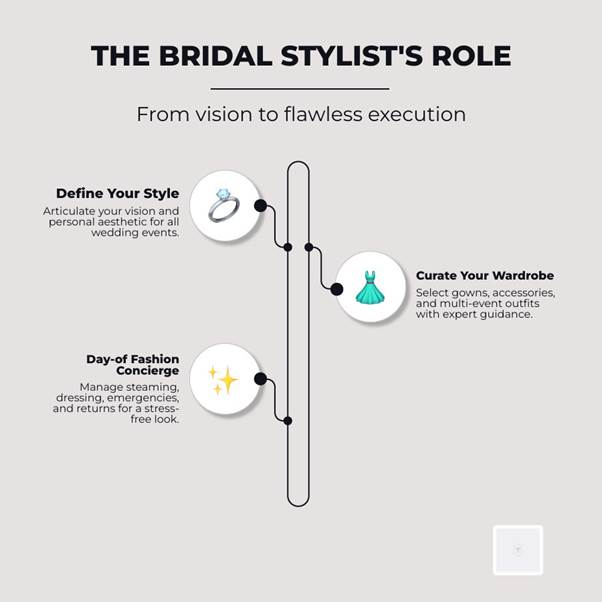
A bridal stylist is your personal fashion concierge, dedicated exclusively to curating your wedding wardrobe and ensuring every sartorial detail is perfect. Their role extends far beyond simply helping you choose a dress; they manage the entire fashion journey from conceptualization to the wedding day.
Here’s a closer look at their comprehensive services:
- Defining Your Style: They help you articulate your vision, translating your personal aesthetic into a cohesive bridal look for all wedding-related events.
- Wardrobe Curation: A stylist assists in selecting not just the main wedding gown, but also outfits for the engagement shoot, bridal shower, rehearsal dinner, reception, and even the honeymoon. They ensure each look aligns with your overall wedding theme and personal style.
- Boutique Selection and Appointments: Leveraging their industry knowledge, stylists recommend and schedule appointments at boutiques that align with your style, budget, and timeline. They often have access to exclusive designers and sample sales.
- Fittings and Alterations Support: They accompany you to fittings, offering expert advice on fit, fabric, and potential alterations. They can communicate directly with seamstresses to ensure your gown is perfectly tailored.
- Accessory Sourcing: From veils and jewelry to shoes and hairpieces, a stylist helps source and select all the finishing touches that complete your look, ensuring harmony and balance.
- Day-of Logistics: On the wedding day, a stylist acts as a ‘fashion concierge.’ This can include steaming dresses, pressing menswear, assisting with dressing, handling last-minute fashion emergencies (like a broken zipper or spilled drink), and even managing returns of borrowed items. This ensures you look flawless and feel relaxed.
- Photography Coordination: Many stylists work closely with photographers to ensure that every fashion detail is picture-perfect, elevating the quality of your wedding images to editorial standards.
A bridal stylist provides clarity, confidence, and calm throughout what can be an overwhelming process, allowing you to focus on enjoying your engagement and wedding day.
Key Differences in Event Support Roles
While all wedding professionals aim to ease your journey, their scopes of work differ significantly. Understanding these distinctions helps you decide which services are most appropriate for your needs and budget.
| Role | Primary Focus “`
Curating Your Wardrobe, Accessories, and Multi-Event Styling
Building your bridal wardrobe is an exciting journey that extends beyond just the wedding dress. It involves thoughtful curation, adherence to a fashion timeline, and meticulous style execution to ensure every look is perfect.
Finding the Perfect Silhouette and Fabric
Selecting the perfect wedding dress silhouette and fabric is paramount to feeling beautiful and confident on your big day. The right choice should not only flatter your body type but also complement your wedding venue and overall theme.
Common silhouettes include:
- A-line: Universally flattering, it gently flares from the waist, resembling the letter ‘A’.
- Ballgown: Dramatic and traditional, with a fitted bodice and a full, voluminous skirt.
- Mermaid/Trumpet: Fitted through the bodice, waist, and hips, then flares out at or below the knee, creating a glamorous, body-hugging look.
- Sheath: Slips straight down from the neckline, hugging the body’s natural curves, ideal for a modern or bohemian aesthetic.
- Empire: Features a fitted bodice that ends just below the bust, with a loose, flowing skirt, often chosen for its romantic and comfortable feel.
Fabric selection is equally important. Lace offers a romantic, vintage, or bohemian feel, while silk or satin exudes luxury and classic elegance. Crepe is favored for its sleek, modern drape, and tulle creates an ethereal, whimsical effect. When making your choice, consider how the fabric will drape, move, and photograph, as well as its comfort level in your chosen climate.
Timeline for Gown Selection and Tailoring Fittings
The journey to your perfectly fitted gown requires careful planning and adherence to a timeline. We recommend starting your gown search approximately 9-12 months before your wedding date. This allows ample time for ordering, production, shipping, and, most importantly, alterations.
The alteration process typically involves two to three fittings:
- First Fitting: This usually takes place 2-3 months before the wedding. During this appointment, the seamstress will assess the gown’s fit, pin areas for adjustment, and discuss any desired customizations. It’s crucial to bring your chosen wedding shoes and any undergarments you plan to wear to ensure accurate measurements.
- Second Fitting: Scheduled 2-3 weeks before the wedding, this is where you’ll see the gown nearing its final form. Minor adjustments will be made, and you’ll have the chance to move around in the dress to ensure comfort and ease.
- Final Pick-up: Often just a few days before the wedding, this is your last chance to try on the dress and ensure everything is perfect before taking it home.
For a truly impeccable fit, seeking personalized gown fittings ensures that every seam, hem, and detail is tailored precisely to your body. This expert attention guarantees your dress feels custom-made, enhancing your comfort and confidence on your special day.
Essential Accessories for Wedding Planning and Bridal Styling
Accessories are the finishing touches that complete your bridal look, allowing you to infuse personality and elevate your gown. Thoughtful selection ensures harmony and balance, complementing your dress without overpowering it.
- Veils: From dramatic cathedral lengths to playful birdcage styles, veils add a traditional or whimsical touch. Consider your gown’s embellishments; a heavily detailed dress often pairs best with a simple veil, while a minimalist gown can be enhanced by a statement veil.
- Jewelry: Your choice of necklace, earrings, and bracelets should complement your dress neckline and overall style. For instance, a V-neck gown pairs beautifully with a delicate pendant, while a halter neckline might call for statement earrings instead of a necklace. When selecting your pieces, consider incorporating custom bridal jewelry for a truly unique and personal touch that reflects your individual story. Match metal tones to your dress color: gold for warm ivory, and silver or platinum for cool white.
- Footwear: While often hidden, your wedding shoes are crucial for comfort. Opt for a style that balances aesthetics with practicality, considering heel height, cushioning, and a roomy toe box for all-day wear.
- Hairpieces: Tiaras, combs, pins, and fresh flowers can enhance your hairstyle and add sparkle or natural charm. Coordinate your hairpiece with your jewelry and the overall theme.
- Finishing Touches: Don’t forget other potential accessories like bridal belts to define the waist, capes or detachable sleeves for versatility, or even bridal gloves for a touch of vintage elegance. These elements can transform your look from ceremony to reception.
Styling for the Entire Wedding Weekend
Modern weddings often extend beyond a single day, evolving into a full “wedding weekend.” This presents an exciting opportunity to curate a multi-look wardrobe that tells a continuous style story. Your bridal stylist can help you plan distinct outfits for each event, ensuring cohesion and personal flair.
- Rehearsal Dinner: This is often the first official event where you greet guests. A chic cocktail dress, an elegant jumpsuit, or a sophisticated midi dress are popular choices. This is a great opportunity to experiment with a different color or silhouette from your wedding gown.
- Ceremony Look: This is your main event, featuring your carefully chosen wedding gown, veil, and accessories.
- Reception Transition: Many brides opt for a subtle or dramatic change for the reception. This could be as simple as removing your veil and adding a statement hairpiece, or as elaborate as changing into a completely different, often more comfortable or dance-friendly, reception dress.
- After-Party Outfit: For those who want to keep the celebration going, a fun and flirty mini dress, a sparkly jumpsuit, or even a chic white two-piece set is perfect for the after-party.
- Day-After Brunch: A relaxed yet stylish ensemble, such as a white sundress or a comfortable midi dress, is ideal for a farewell brunch with guests.
The key is to ensure each look is distinct yet part of a larger, cohesive wardrobe that reflects your evolving celebration and personal style.
Overcoming Wardrobe Challenges and Dress Regret
The journey to finding your perfect wedding wardrobe can sometimes hit a snag, leading to decision fatigue or, for some, the dreaded “dress regret.” It’s a common experience, but with the right emotional support and practical strategies, you can regain your confidence and excitement.
Managing Post-Purchase Hesitation
It’s completely normal to experience “wedding dress regret” or second-guess your choice after saying yes to the dress. This often stems from an evolving wedding vision, too many conflicting opinions during shopping, the overwhelming influence of social media trends, or simply the sheer magnitude of the decision.
Here are steps you can take to overcome this hesitation:
- Remember Why You Said Yes: Go back to the initial feeling you had when you first tried on the dress. What made you fall in love with it? Reconnecting with that emotion can often quell doubts.
- Stop Looking Online: Once you’ve made your purchase, resist the urge to browse other dresses online or on social media. Constant comparison is a thief of joy and fuels uncertainty.
- Trust the Alterations Process: Many initial doubts about fit or minor details can be resolved through expert alterations. A skilled seamstress can transform a dress to fit your body perfectly and even incorporate small design changes.
- Visualize the Full Wedding Day Look: Sometimes, the dress alone doesn’t feel complete. Visualize it with your chosen accessories, hairstyle, makeup, and venue. This holistic view can help you see the full, beautiful picture.
- Surround Yourself with the Right Support Group: Talk to a trusted friend, family member, or your bridal stylist. They can offer objective feedback, remind you of your initial excitement, and provide the reassurance you need.
Incorporating Personal Style and Heirlooms in Wedding Planning and Bridal Styling
Your wedding day is a profound expression of who you are, and your bridal attire should reflect that individuality. Incorporating personal style, family heirlooms, or non-traditional elements can make your look truly unique and meaningful.
- Family Heirlooms: Integrating a family heirloom, such as a grandmother’s veil, a mother’s jewelry, or a vintage brooch, adds sentimental value and a touch of history to your ensemble. Your stylist can help seamlessly weave these pieces into your modern look.
- Non-Traditional Elements: If a traditional white gown isn’t “you,” don’t be afraid to explore alternatives. A chic white jumpsuit offers a modern, sophisticated edge, while a colored gown can make a bold statement. Mini dresses are perfect for an intimate ceremony or after-party. These choices allow for genuine personal expression and ensure you feel authentically yourself.
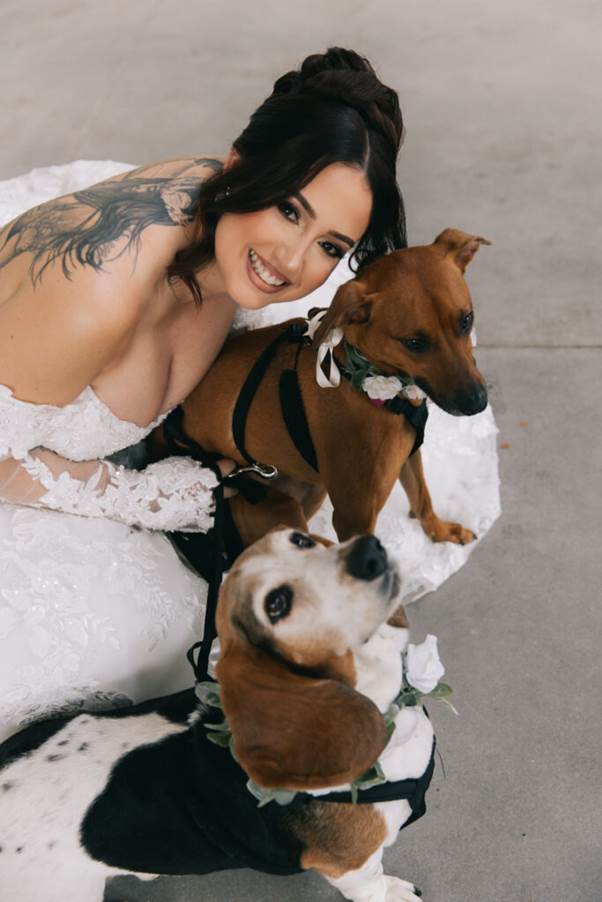
- Customization: Work with your stylist and seamstress to customize your gown. This could involve adding unique lace details, changing a neckline, or incorporating a specific fabric that holds special meaning. The goal is to create a look that feels entirely your own, celebrating your personal journey and love story.
Frequently Asked Questions about Bridal Fashion
We understand that you might have many questions about bridal fashion. Here are answers to some common concerns:
- How does bridal gown sizing differ from street sizing? Bridal sizing typically runs 2-3 sizes larger than standard street clothing. For example, if you wear a street size 12, your bridal size might be a 16 or 18. Always rely on measurements and your stylist’s guidance rather than the number on the tag.
- Can a wedding dress be altered if it is too large? Yes, most wedding gowns can be altered down 2-3 sizes without compromising the structural integrity or design of the dress. This is a common practice to achieve a perfect fit.
- What should you do if a wedding gown is too small? Altering a dress to be larger is significantly more challenging and often has limited options compared to making it smaller. If your gown is too small, consult immediately with a knowledgeable stylist or seamstress to assess what, if any, structural adjustments are possible. In some cases, it might be necessary to explore other options.
- How early should you shop for a wedding dress? While 4-6 months in advance is often recommended, starting 9-12 months out is ideal. This allows for a relaxed shopping experience, sufficient time for ordering and production, and a comfortable window for alterations.
- Why is bridal styling important for wedding photos? A bridal stylist ensures that every fashion detail, from the drape of your gown to the placement of your veil, is meticulously arranged and picture-perfect. This attention to detail elevates the quality of your wedding images, ensuring they look polished and editorial, creating lasting memories.
Conclusion
The journey of wedding planning and bridal styling is a transformative one, culminating in a celebration that reflects your unique love story. By thoughtfully defining your vision, understanding the roles of dedicated professionals, and meticulously curating your wardrobe, you can navigate this exciting process with confidence and joy.
Your bridal look is more than just a dress; it’s an expression of your authentic self, designed to make you feel beautiful, comfortable, and utterly radiant. With a clear vision, expert guidance, and a touch of personal flair, you can achieve seamless execution and create a truly memorable celebration that you will cherish for a lifetime.

