

Introduction to Modern Music Performance Education
Beyond traditional lessons, music education is undergoing a significant transformation. We are moving past rote memorization. The modern focus is on developing practical performance skills. This shift offers immense value. It makes learning more engaging and effective for every student.
Modern instruments are central to this evolution. Digital pianos, in particular, provide numerous benefits. They come with features specifically designed to support performance-based learning. These instruments help students build essential skills for the stage.
In this guide, we will explore how digital pianos enhance music education. We will examine their ability to simulate acoustic feel and sound. We will also see how they boost practice engagement. This creates truly engaging music performance programs for learners today. Join us as we uncover the advantages these instruments bring to modern musical journeys.
The landscape of music pedagogy has evolved dramatically. Modern approaches prioritize active engagement and real-world application over repetitive, isolated drills. Digital pianos are at the forefront of this evolution, offering versatile tools that cater to contemporary learning styles. They provide a rich platform for developing musicality, technique, and performance readiness.
At the heart of this transformation is the understanding that music is a dynamic art form. It thrives on interaction, expression, and the joy of creation. Digital pianos, with their advanced capabilities, empower students to explore these facets from their very first lesson. They bridge the gap between theoretical knowledge and practical execution, making the learning process more intuitive and rewarding.
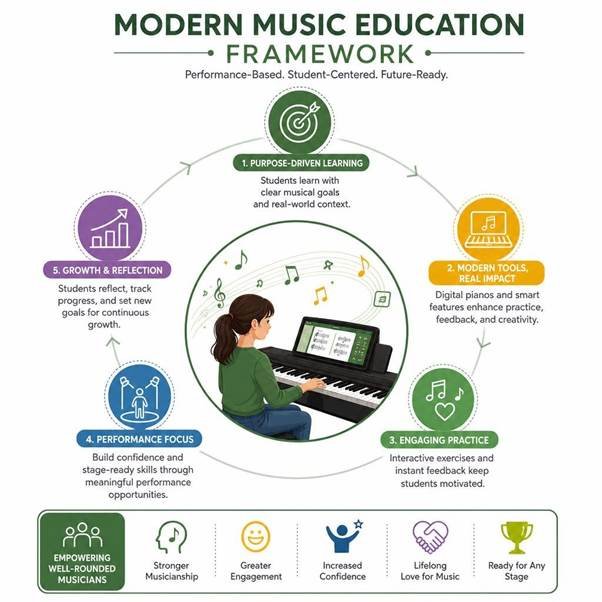
Shift From Rote Practice to Interactive Learning
One of the most significant advantages of digital pianos in modern music education is their capacity to transform rote practice into interactive learning. Traditional methods often relied on endless repetition, which could sometimes lead to disengagement. Digital pianos, however, are equipped with features that make practice dynamic and fun.
Learning games, for instance, can be integrated directly or via connected apps, turning challenging exercises into enjoyable activities. These games often provide instant visual and auditory feedback, helping students correct mistakes in real-time without constant supervision. This immediate feedback loop is crucial for reinforcing good habits and preventing the development of bad ones. Imagine a young student mastering scales through a game that lights up correct notes and provides encouraging sounds – this is far more motivating than simply repeating a pattern.
App integration further expands the possibilities for interactive learning. Many digital pianos can connect wirelessly or via USB to tablets and smartphones, unlocking a vast ecosystem of educational applications. These apps offer structured lessons, sight-reading practice, music theory explanations, and even virtual duet partners. They allow students to learn at their own pace, explore different musical genres, and personalize their learning journey. This level of interactivity fosters student motivation, making practice something to look forward to rather than a chore. The ability to track progress, earn rewards, and share achievements within these apps creates a sense of accomplishment and encourages continued effort.
Enhancing Music Performance Education Through Authentic Touch and Sound
For serious piano students, the tactile experience of playing is paramount. Digital pianos have made immense strides in replicating the authentic touch and sound of an acoustic grand piano, which is crucial for developing proper technique and musical expression. This simulation is achieved through a combination of sophisticated design and technology.
The standard 88 keys, identical to an acoustic piano, ensure that students learn the full range of the instrument. This is vital for playing a diverse repertoire, from classical concertos to contemporary pieces. Without a full keyboard, students might encounter limitations as they advance, hindering their ability to transition to acoustic instruments or perform complex compositions.
Touch sensitivity is another critical feature. This means the digital piano responds to the force with which a key is pressed, producing a softer sound for a light touch and a louder sound for a firm touch. This dynamic response allows pianists to express nuances in their playing, much like an acoustic instrument. It teaches students to control their dynamics, which is fundamental to musicality and performance. Without touch sensitivity, a student might develop a flat, unexpressive playing style that would be difficult to correct later.
Perhaps the most impressive technological advancement is the implementation of weighted keys. These keys are designed to mimic the resistance and feel of the hammers and strings in an acoustic piano. There are various types, including semi-weighted, fully weighted, and graded hammer action keys, with the latter providing a heavier feel in the lower register and a lighter feel in the higher register, just like a grand piano. This weighted action is essential for building finger strength, developing proper hand posture, and cultivating the precise control needed for expressive playing. Practicing on weighted keys prepares students for the physical demands of an acoustic piano, making the transition seamless and preventing technique issues.
The sound simulation on modern digital pianos is equally impressive. High-quality models use advanced sampling technology, recording the rich, complex tones of world-class acoustic grand pianos. These samples are then reproduced through strategically placed speakers, creating an immersive and resonant sound experience. Some digital pianos even simulate the sympathetic resonance of an acoustic piano, where unplayed strings vibrate in harmony with played notes, adding depth and realism to the sound. This acoustic simulation ensures that students develop a keen ear for tone quality and harmonic richness, which are indispensable for performance.
Modern Instrument Technology in Practice and Pedagogy
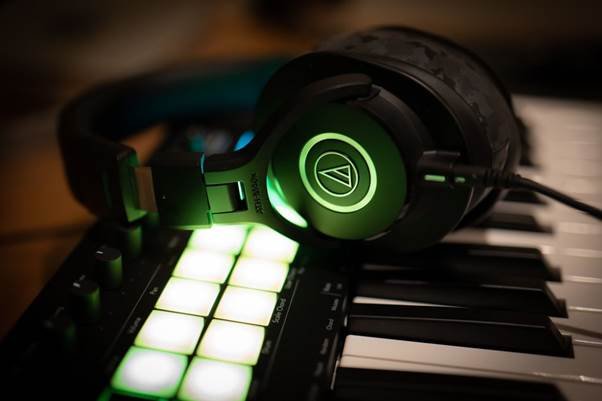
The integration of modern technology into digital pianos extends far beyond merely replicating acoustic qualities. These instruments are designed with a suite of features that directly enhance practice efficiency and pedagogical effectiveness. From managing sound levels to connecting with external devices, digital pianos offer unparalleled flexibility for today’s musicians.
Integrating Digital Features into Music Performance Education
Digital pianos are packed with built-in features that streamline the learning process and maximize practice efforts. These tools are invaluable for students at all levels, helping them make greater progress in a shorter amount of time.
A built-in metronome is a fundamental tool for any musician, and its inclusion in digital pianos makes it incredibly convenient. Metronomes provide a consistent beat at a set tempo, which is essential for developing a strong sense of rhythm and timing. Students can easily adjust the speed and even the time signature, allowing them to tackle complex rhythmic passages with precision. This feature helps prevent rushing or dragging, ensuring that students develop a steady internal pulse—a cornerstone of confident performance.
Recording features are another game-changer. Many digital pianos allow students to record their performances directly onto the instrument’s memory or a USB drive. This capability is crucial for self-assessment. By listening back to their playing, students can objectively identify areas for improvement, such as timing errors, inconsistent dynamics, or awkward phrasing. This process helps them catch and correct bad habits before they become ingrained, fostering a more analytical and self-aware approach to practice. Some advanced models even allow for multi-track recording, enabling students to layer different parts or play along with their own accompaniments, which is excellent for exploring composition and arrangement.
Beyond these core features, digital pianos often include a diverse library of sounds. While the primary focus is the piano sound, many instruments offer electric pianos, organs, strings, harpsichords, and even synthesizers. This variety keeps practice engaging and allows students to explore different musical styles and timbres. Learning a Baroque piece on a harpsichord sound, for example, can provide a more authentic experience and inspire new interpretations. This versatility encourages creativity and broadens a student’s musical horizons, preventing monotony and reigniting passion if practice ever feels repetitive.
Comparing Keyboards, Electric Pianos, and Digital Pianos
Understanding the distinctions between keyboards, electric pianos, and digital pianos is crucial for making an informed choice, especially for those serious about learning. While often used interchangeably, these terms refer to instruments with different characteristics and capabilities.
Keyboards, often referred to as electronic keyboards or synthesizers, are generally the most basic and affordable. They typically feature unweighted or semi-weighted plastic keys, offering a lighter, springier feel that doesn’t accurately replicate an acoustic piano’s touch. Many keyboards have fewer than 88 keys (often 61 or 76) and are designed for a wide range of sounds and basic musical exploration. While excellent for casual play, experimenting with different sounds, or for very young beginners, they are generally not considered suitable for developing proper piano technique due to the lack of weighted keys and limited dynamic response.
Electric pianos, popular in the 1970s and 80s, are distinct instruments that use a combination of mechanical and electronic components to generate their sound. Instruments like the Fender Rhodes or Wurlitzer produce sound through vibrating tines or reeds that are then amplified electronically. They have a unique, characteristic tone that is different from an acoustic piano. While some digital pianos emulate these sounds, a true electric piano has its own distinct mechanism and sound profile. They are not designed to simulate an acoustic piano but rather to offer their own unique sonic palette.
Digital pianos, as we’ve discussed, are specifically engineered to simulate the sound and feel of an acoustic piano as closely as possible. They feature 88 weighted or graded hammer-action keys, sophisticated sound samples, and advanced features like touch sensitivity, sustain pedals, and robust speaker systems. Their primary goal is to provide an authentic piano playing experience without the drawbacks of an acoustic instrument. They are a serious alternative to acoustic pianos for learners and performers alike.
Here’s a simplified comparison:
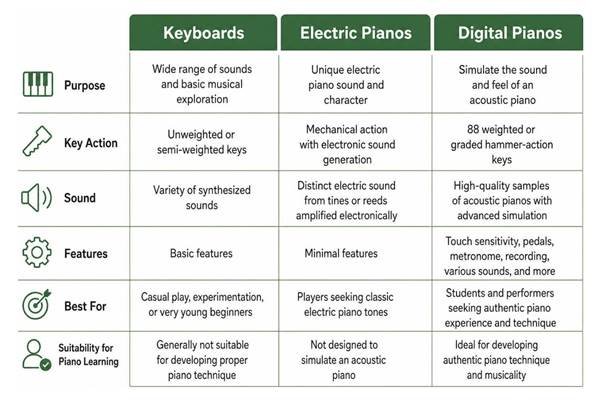
In summary, while keyboards offer versatility and affordability, and electric pianos provide unique retro sounds, digital pianos are the ideal choice for students seeking to develop authentic piano technique and musicality in a modern, feature-rich format.
Economic and Practical Benefits for Today’s Learners
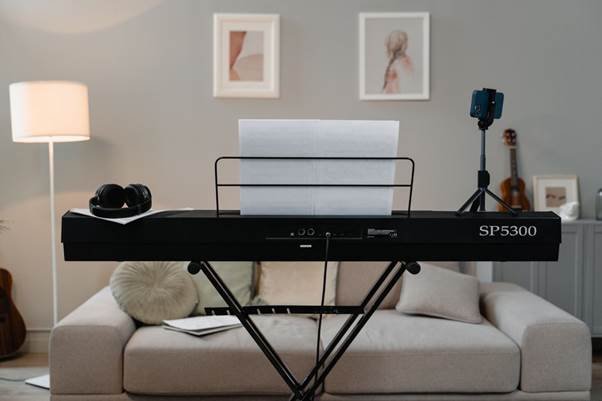
Beyond their technological prowess, digital pianos offer a host of practical and economic benefits that make them exceptionally well-suited for contemporary learners and households. In August 2026, as living spaces become more compact and budgets tighter, these advantages are more relevant than ever.
Low Maintenance and Space-Saving Advantages
One of the most compelling arguments for a digital piano is its low maintenance requirement. Unlike acoustic pianos, which are intricate mechanical instruments with hammers, strings, and soundboards, digital pianos have no such moving parts to produce their primary sound. This means they are completely maintenance-free in the traditional sense. They never need tuning, which is a significant cost saver over the lifetime of the instrument. Acoustic pianos typically require tuning at least once a year, and often more frequently in their first year or if subjected to environmental changes. This ongoing expense can quickly add up.
Furthermore, digital pianos are not affected by environmental factors like humidity or temperature fluctuations. Acoustic pianos are highly sensitive to these conditions, which can cause their wooden components to expand or contract, leading to detuning or even structural damage. A digital piano can be placed in virtually any room, even near a window or radiator, without concern for its tuning stability or longevity. This climate stability offers immense flexibility in placement, making them suitable for diverse living environments.
The space-saving aspect is another major draw. Digital pianos are generally much smaller and lighter than their acoustic counterparts. While a grand piano can dominate a room, and even an upright acoustic piano requires a substantial footprint, many digital pianos boast sleek, compact designs. Some are even designed to be easily disassembled for storage or transport. This compactness makes them ideal for apartments, dorm rooms, or smaller homes where space is at a premium.
Their lighter weight also translates to significant transport efficiency. Moving an acoustic piano is a laborious and often costly endeavor, typically requiring professional movers and specialized equipment. A digital piano, on the other hand, can often be moved by one or two people, or easily transported in a standard vehicle. This reduces initial installation costs and provides the flexibility to rearrange furniture or move homes without logistical nightmares. The overall cost reduction, stemming from no tuning, lower transport, and often a lower initial purchase price than a comparable quality acoustic piano, makes digital pianos a highly economical choice.
Practice Tools that Build Timing, Rhythm, and Technique
Digital pianos excel as practice instruments due to a range of features designed to support focused and effective learning. These tools address common challenges faced by students and provide solutions that enhance the learning experience.
The ability to control volume and use headphones is perhaps one of the most celebrated features. This allows for silent practice, meaning students can play at any time of day or night without disturbing family members, housemates, or neighbors. This freedom removes a significant barrier to consistent practice, enabling more flexible schedules and longer, uninterrupted sessions. Many digital pianos even include dual headphone sockets, allowing a student and teacher to listen simultaneously during lessons, providing an intimate and focused learning environment.
The variety of sounds available on digital pianos also serves as a powerful practice tool. While we’ve highlighted how this keeps practice engaging, it also allows students to experiment with different instrument voicings for specific pieces. Playing a jazz standard with an electric piano sound, or a classical piece with a harpsichord, can offer fresh perspectives and deepen musical understanding. This sound variation encourages exploration and creativity, helping students develop a broader musical palette.
Finally, the connectivity options of digital pianos open up a world of possibilities for advanced practice and creative endeavors. USB connectivity allows the instrument to interface with computers, enabling students to use Digital Audio Workstations (DAWs) for recording, editing, and even composing their own music. This means a student can record a performance, transfer it to a computer, and then analyze it in detail, or even print out sheet music from their playing. Bluetooth connectivity further enhances this, allowing seamless integration with educational apps, online lessons, and even virtual performance platforms. These features not only aid in building timing, rhythm, and technique but also empower students to explore music production and composition, fostering a holistic musical development that extends beyond traditional playing.
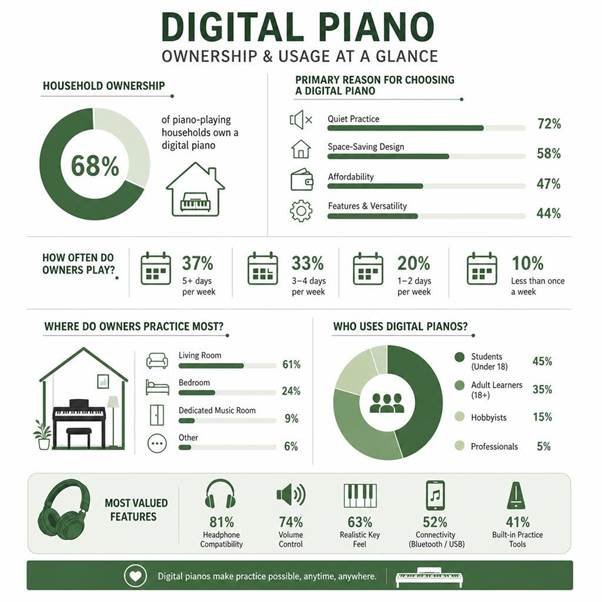
In conclusion, the benefits of digital pianos extend far beyond mere convenience. They represent a paradigm shift in music education, offering an accessible, versatile, and highly effective platform for learning and performing. Their blend of authentic feel, advanced technology, and practical advantages makes them an invaluable tool for aspiring musicians in August 2026 and beyond.

