
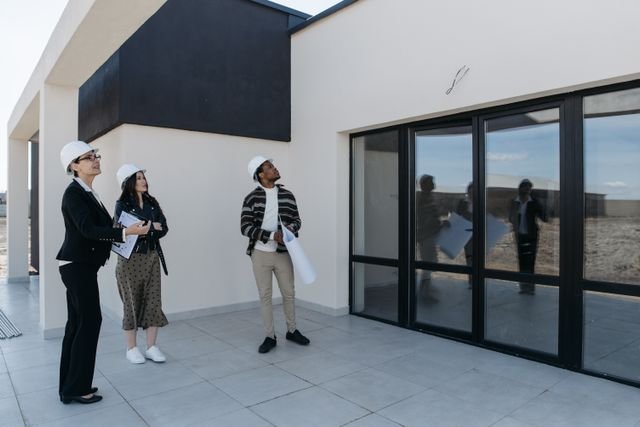
A site inspection gives homeowners a clearer picture of what is happening behind the noise, slow movement, or uneven operation of a garage door. Technicians usually examine the entire system rather than focusing only on the part that first drew attention. Careful testing can separate normal wear from problems that may affect safety, reliability, or the cost of future repairs.
A Quick Look at the Door, Tracks, and Hardware
Initial inspection often starts with the door panels, tracks, brackets, fasteners, weather seals, and visible mounting points. Inspectors look for bent rails, loose hardware, cracked hinges, damaged sections, rust, and areas where rollers are rubbing instead of traveling cleanly. Observing the door from both inside and outside can also reveal uneven gaps, sagging panels, or framing issues that may influence alignment. Someone searching for an overhead door company near me should expect this broad visual review before a technician recommends replacing individual parts.
Checking Springs, Cables, Rollers, and Hinges for Wear
Springs receive close attention because they counterbalance much of the door’s weight and affect nearly every opening cycle. Repair professionals check for broken coils, corrosion, gaps, improper tension, and signs that a spring no longer matches the door correctly. Cables are inspected for fraying, flattened sections, rust, or uneven winding on the drums, while rollers are checked for worn bearings, chipped wheels, or excessive side play.
Hinges can tell another part of the story. Cracks around screw holes, elongated mounting points, loose fasteners, or bent leaves may allow sections to shift as the door bends through the track radius. During work involving replacing garage door spring components, a technician may also inspect bearings, drums, shafts, and bottom fixtures because new springs cannot correct resistance caused by failing hardware elsewhere.
Testing How Smoothly the Door Opens and Closes
Movement testing shows problems that remain hidden while the door is standing still. Next, the technician may operate the system through several cycles while listening for grinding, popping, scraping, or changes in motor sound and watching for hesitation at particular points. Manual operation with the opener disconnected can reveal whether the door feels unusually heavy, rises on its own, or drifts downward, all of which can indicate poor balance. Homeowners looking for a garage door repairman near me may find this simple test especially useful when the opener seems weak but the motor itself is still working normally.
Inspecting the Opener, Sensors, and Safety Features
Automatic equipment needs its own inspection because mechanical and electrical problems can produce similar symptoms. Installers may check the opener rail, trolley, drive system, wall control, remotes, travel settings, force limits, lights, and wiring for loose connections or abnormal wear. Photo-eye sensors are examined for correct height, stable mounting, clean lenses, and proper alignment across the opening.
Safety testing goes beyond confirming that the remote works. Verification normally includes confirming that the door responds correctly when the sensor beam is interrupted and that the opener reverses according to the manufacturer’s testing procedure. Garage door opener installation also depends on good mechanical balance, so a service call may uncover spring or track problems that should be corrected before changing electronic settings or replacing the motor.
Looking for Alignment, Balance, and Clearance Problems
Alignment checks help explain why a door may shake, bind, or leave uneven gaps around the opening. Measurements can show whether tracks remain parallel, the opening is square, cables carry equal tension, and the door sits level when closed. Clearance above and beside the system also matters because storage racks, framing, ducts, lights, or pipes can interfere with tracks and opener hardware. Properties being considered for garage door installation may need these dimensions checked before a new door or track configuration is selected.
Identifying Parts That May Need Repair or Replacement
Inspection findings should separate worn parts from components that are still serviceable. For example, a noisy roller may need replacement while a loose bracket may only require proper fastening and alignment. Professionals can also determine whether damaged panels, stretched springs, frayed cables, worn bearings, or failing opener components justify immediate work or simply need to be monitored.
Age alone does not decide whether replacement is necessary. Condition, cycle history, door weight, repair frequency, parts availability, and the effect one component has on the rest of the system all matter. Comparing those details helps homeowners avoid replacing good hardware while still addressing problems that could create larger failures later.
Going Over the Findings and Recommended Next Steps
Final discussion should leave the homeowner knowing what the technician found, which items need attention first, and what can reasonably wait. Clear estimates can separate labor, parts, service charges, and larger options such as garage door installation or garage door opener installation when repair is no longer the practical choice. Snappy Doors can inspect springs, cables, rollers, tracks, openers, sensors, and related hardware, then explain the condition of the system and available repair options so homeowners can make decisions based on what the door actually needs, with priorities explained in plain language rather than buried in technical terminology.