

Bringing a new puppy into our lives is a joyous occasion, filled with anticipation for a lifetime of companionship. Yet, the first few months are more than just cute puppy antics; they are a critical period that profoundly shapes a dog’s future temperament and behavior.
This sensitive developmental window, primarily before 16 weeks of age, is when puppies are most open to new experiences. Positive exposure during this time is not merely helpful; it is essential for preventing common behavioral issues later in life.
Inadequate socialization is a leading cause of behavioral problems. These issues tragically account for the majority of relinquishments to shelters and are the leading cause of death for dogs under three years old. Most aggression issues, for instance, often stem from insufficient socialization. Our goal as responsible owners is to ensure every new experience is a positive one.
This article serves as an extensive guide to puppy socialization, providing science-backed methods and a comprehensive checklist. We will explore how to safely introduce our puppies to the diverse world around them, building their confidence and resilience. Understanding canine behavior and applying effective socialization strategies is key to raising a balanced companion. For those seeking structured guidance, resources on effective dog training and boarding can offer invaluable support during this crucial period.
Join us as we delve into the foundations of canine behavioral development and discover how a well-executed puppy socialization checklist can lead to a lifetime of happiness for both you and your dog.
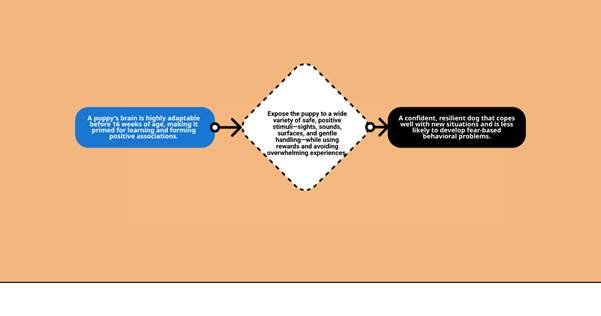
The journey of canine behavioral development begins even before a puppy opens its eyes, influenced by the mother’s stress levels during pregnancy. However, the most profound period for shaping a puppy’s future temperament occurs during its first few months of life. This phase is characterized by remarkable neuroplasticity, where the brain is highly adaptable and receptive to learning. Every interaction, sight, sound, and sensation contributes to the puppy’s understanding of its world, forming neural pathways that dictate future responses.
Environmental enrichment during this time is paramount. It involves exposing the puppy to a variety of safe and positive stimuli, fostering habituation—the process by which a puppy learns to ignore irrelevant or non-threatening stimuli. This proactive approach is crucial for fear prevention, as puppies are naturally more curious than fearful during their early weeks.
The consequences of insufficient socialization are stark. Behavioral problems, rather than infectious diseases, stand as the leading cause of death for dogs under three years of age. Furthermore, these issues are the number one reason for dogs being relinquished to shelters. Many aggression issues, often misunderstood as inherent traits, are frequently the result of inefficient or improper socialization during this critical window. Our aim is to prevent these outcomes by providing a rich, positive, and diverse set of experiences.
Foundations of Professional Dog Training and Early Socialization
The American Veterinary Society of Animal Behavior (AVSAB) unequivocally states that early puppy socialization is not just beneficial, but it should be considered the standard of care, even before a puppy has completed its full vaccination series. This guidance underscores the immense importance of capitalizing on the critical socialization window. During this time, a puppy’s natural sociability outweighs its innate fear responses, making it highly receptive to new experiences.
Our approach to socialization is firmly rooted in positive reinforcement and operant conditioning. This means we reward desired behaviors and positive responses to new stimuli, creating pleasant associations. The goal is always for the puppy to have positive experiences, never neutral or, worse, negative ones. This builds behavioral resilience, enabling the puppy to cope with novel or potentially stressful situations later in life.
Understanding fear periods is also vital. Puppies typically experience several fear periods as they mature, where they may suddenly become wary of things they previously ignored. Proactive, positive socialization helps inoculate them against developing lasting fears during these sensitive times. A strong, positive owner-dog bond is simultaneously forged through these shared, enjoyable experiences, laying the groundwork for a lifetime of trust and cooperation. For owners seeking a structured and expert-led environment to foster these crucial developmental stages, exploring comprehensive dog training and boarding programs can provide invaluable support and guidance.
The Critical Developmental Window and Safe Exposure Protocols
The primary and most important time for puppy socialization spans the first three months of life, with this critical window considered to be closing by five months of age. During this period, a puppy’s sociability outweighs fear, making them highly receptive to new experiences. Our aim is to introduce a wide array of stimuli in a controlled, positive manner, ensuring that each exposure builds confidence rather than fear.
The key to safe exposure protocols lies in gradual introduction, careful intensity management, and respecting distance thresholds. This means starting with low-intensity versions of stimuli and slowly increasing exposure as the puppy demonstrates comfort. For instance, a puppy might first observe a new person from a distance, then closer with treats, rather than being immediately overwhelmed by an embrace.
Puppy classes, when well-run, offer an excellent opportunity for structured socialization. They provide a safe environment for puppies to interact with peers and various people under expert supervision. However, pathogen safety remains a top concern, especially before a puppy is fully vaccinated.
Navigating Health Risks and Early Vaccination Protocols
While early socialization is critical, we must also be mindful of health risks. Puppies receive maternal antibodies from their mothers, which offer some initial protection, but their immune systems are still developing. Full vaccination typically isn’t complete until around 16-18 weeks of age. Therefore, we implement careful risk mitigation strategies.
Instead of avoiding all outside exposure, we focus on controlled environments. Carrier walks are an excellent way to expose a puppy to sights and sounds of the outside world—like a bustling outdoor market in Hawaii County, or the gentle lapping of waves on an island beach—without direct contact with potentially contaminated surfaces or unknown dogs. We can visit sanitized spaces, such as a friend’s clean home with known, vaccinated dogs, or specialized puppy play areas that adhere to strict hygiene protocols. Indoor playdates with healthy, vaccinated adult dogs or other puppies from known sources can also provide crucial social interaction without undue risk. The goal is to maximize positive experiences while minimizing exposure to pathogens.
Utilizing Professional Dog Training for Controlled Exposures
Engaging with certified trainers is invaluable during this critical period. Professional dog training facilities often offer structured puppy socialization classes where guided interactions ensure positive experiences. These classes typically follow a curriculum designed to expose puppies to various sights, sounds, and surfaces, while also teaching important skills like bite inhibition and appropriate peer play. Trainers are adept at stress monitoring, recognizing subtle signs of discomfort in puppies, and adjusting the environment to prevent overwhelming them. This professional oversight ensures that all exposures lead to positive associations, building a strong foundation for future learning and confidence. These environments are particularly beneficial for puppies to learn appropriate social cues from other well-adjusted dogs under expert supervision.
Core Elements of a Proactive Socialization Checklist
A comprehensive puppy socialization checklist is more than just a list of items; it’s a strategic framework for introducing novel stimuli and ensuring a puppy develops into a well-adjusted adult. The aim is to achieve generalization, meaning the puppy learns that new things, even if slightly different, are generally safe and positive. This involves exposing them to a wide variety of sensory inputs—tactile varieties, visual triggers, and demographic varieties of people—in controlled and positive ways.
Consider the concept of “100 things in 100 days” as a guiding principle. This approach encourages owners to seek out diverse experiences daily, covering everything from different surfaces to various people and sounds. The more positive exposures a puppy has during its critical window, the more resilient and confident it will become.
Here is a list of essential everyday sound exposures that every puppy should encounter in a positive way:
- Doorbell ringing
- Vacuum cleaner
- Hair dryer
- Washing machine/dryer
- Telephone ringing/cell phone alerts
- TV/radio at varying volumes
- Kids playing/crying
- Traffic noises (cars, trucks, motorcycles)
- Sirens (police, ambulance, fire truck)
- Thunderstorm recordings (low volume initially)
- Fireworks recordings (low volume initially)
- Construction noises (distant hammering, drills)
- Alarm clock
- Knocking on the door
- Bags rustling (plastic, paper)
- Dishes clanking
- Dropping items (keys, books)
Sensory Stimuli, Surfaces, and Sound Desensitization
When introducing sensory stimuli, particularly sounds, acoustic conditioning is key. We start with sounds at a very low volume, pairing them with high-value treats or engaging play. Gradually, we can increase the volume as the puppy remains relaxed and happy. This ensures positive associations are formed, rather than fear.
Similarly, tactile variety is crucial. Expose your puppy to walking on different surfaces like slippery floors (tile, linoleum), metal grates, concrete, grass, sand, wood, and even slightly wobbly boards. Introducing elevation shifts, such as walking up and down stairs or ramps, also builds confidence and proprioception. Always ensure these experiences are positive, using treats and praise to make them enjoyable. For instance, a short walk on a sandy path near the ocean in Hawaii County, followed by a treat, can be a wonderful experience.
Handling, Restraint, and Veterinary Preparation
Cooperative care is a cornerstone of a well-socialized puppy. This involves gradually introducing handling and restraint in a positive, reward-based manner, preparing the puppy for future veterinary visits, grooming sessions, and general physical examinations. We practice gentle handling of all body parts: checking ears, examining the mouth and teeth, touching paws and nail trims, and cleaning eyes.
The concept of consent testing is vital here; we teach the puppy that they have a choice and that compliance leads to rewards. For example, a brief paw touch followed immediately by a treat, or lifting a lip to check teeth with a smear of peanut butter, reinforces positive associations. We also practice cradling, hugging, and gently pulling on a collar. The goal is to build tolerance and even enjoyment for these necessary procedures, making vet visits and grooming stress-free events for both puppy and owner.
Interpreting Canine Body Language and Managing Fear Responses
Understanding a puppy’s body language is perhaps the most critical skill for successful socialization. Puppies communicate their emotional state through subtle cues, and recognizing these stress markers or appeasement signals allows us to intervene before they become overwhelmed. Ignoring these signs can lead to trigger stacking, where multiple minor stressors accumulate, potentially resulting in an exaggerated fear response or even aggression.
We aim to keep our puppies below their threshold, meaning they are comfortable and receptive to learning. If a puppy shows signs of fear or avoidance behaviors, we immediately reduce the intensity of the situation. This might involve increasing distance from the stimulus, removing the stimulus, or simply taking a break. The goal is to always end on a positive note, ensuring the puppy associates new experiences with safety and reward.

Identifying Subtle Stress Indicators and Trigger Stacking
Subtle signs of stress in a puppy can include a “whale eye” (where the whites of the eyes are visible), lip licking, yawning (when not tired), a stiff body posture, or displacement activities (like sniffing the ground intensely). These are early warnings that a puppy is uncomfortable. If these signs are ignored, the puppy’s stress can escalate, leading to hiding, growling, or even biting. Trigger stacking occurs when a puppy experiences several stressful events in a short period, and the cumulative effect of the cortisol response makes them more reactive to subsequent, even minor, triggers. Recognizing and respecting these signals is paramount to ensuring socialization experiences are always positive and beneficial.
Integrating Professional Dog Training for Counter-Conditioning
When a puppy exhibits significant fear or a negative emotional response to a specific stimulus, integrating professional dog training for counter-conditioning becomes essential. This process involves systematically desensitizing the puppy to the trigger by gradually exposing them to it at a sub-threshold level (where they are aware but not fearful), while simultaneously pairing the exposure with something highly positive, like high-value treats or play. The goal is to change the puppy’s emotional response from fear to anticipation of something good.
Certified behaviorists and force-free trainers are experts in applying these techniques, ensuring safety management and preventing further traumatization. They can guide owners through the process, helping them identify the puppy’s threshold and progress at a pace that ensures success. This structured approach helps the puppy learn that the previously feared stimulus now predicts a positive outcome, fostering confidence and resilience.
Frequently Asked Questions About Puppy Socialization and Behavior
What is the most critical time window for puppy socialization?
The most critical time window for puppy socialization is generally considered to be between 3 and 14-16 weeks of age. This is a neurodevelopmental window where puppies are most receptive to new experiences and least fearful. During this habituation period, their brains are rapidly developing, and positive exposures lay down foundational habits for a confident adult dog. While socialization can continue throughout a dog’s life, the impact of experiences during these early age milestones is unparalleled.
Can a puppy be socialized before completing all vaccinations?
Yes, absolutely. The American Veterinary Society of Animal Behavior (AVSAB) strongly recommends early socialization before puppies are fully vaccinated, emphasizing that the benefits of early socialization far outweigh the risks of disease. We can achieve this safely by utilizing controlled environments. This means carrying your puppy in public spaces (like a pet-friendly outdoor shopping area in Hawaii County), arranging playdates with known, healthy, and fully vaccinated adult dogs in a clean, private yard, or attending reputable puppy classes with strict health protocols. The key is to avoid high-traffic areas where unknown dogs frequent or where there’s a risk of contact with contaminated surfaces, prioritizing risk mitigation and immune support.
How should owners respond when a puppy shows fear toward a new stimulus?
If a puppy shows fear toward a new stimulus, the immediate response should be to increase distance or reduce the intensity of the stimulus until the puppy is comfortable again. We want to avoid forcing interactions. Instead, we create a positive emotional reset by offering high-value treats or engaging in a fun game away from the trigger. This stimulus reduction allows the puppy to regain composure. Once calm, we can reintroduce the stimulus at a much lower intensity or greater distance, pairing it with positive reinforcement. The goal is always to create positive associations and ensure the puppy never feels overwhelmed or trapped. If fear persists or is intense, consulting a certified professional dog trainer or veterinary behaviorist is highly recommended.
Conclusion
The journey of puppy socialization is a profound investment in a dog’s lifelong well-being. By embracing science-backed methods and diligently following a comprehensive checklist, we lay the foundational habits for a confident, resilient, and well-adjusted canine companion. From understanding the critical developmental window to interpreting subtle body language, every step we take during these early months contributes to their behavioral wellness.
Socialization is not a one-time event but a continuous process of proactive exposure, ensuring that our puppies grow into dogs capable of navigating the diverse world around them with ease and joy. By committing to these practices, we empower our puppies to thrive, fostering a deeper bond and ensuring a lifetime of happiness for both them and us.

