

Few summer problems are more frustrating than hearing the air conditioner run for hours while the house remains uncomfortable. Before assuming the equipment has failed, start with a few basic observations. Homeowners considering AC installation in Northern Virginia or service should know that poor cooling can come from the unit itself, restricted airflow, leaking ducts, thermostat issues, or excess heat entering the home.
A running system is not always a cooling system. The indoor blower may be moving air even when the equipment is not removing enough heat, which is why a room can feel warm despite air coming from the vents. A careful check can help distinguish a simple maintenance issue from a problem that needs an HVAC technician.
Why an Air Conditioner Runs Without Cooling Properly
Central air conditioning works by pulling warm indoor air across a cold evaporator coil. The refrigerant absorbs heat, then carries it outdoors so the condenser can release that heat. If airflow is weak, the coil is dirty, refrigerant is low, or the outdoor unit cannot shed heat, the system may keep operating without bringing indoor temperatures down.
For example, an air conditioner may cool the first floor reasonably well but leave an upstairs bedroom hot every afternoon. That does not automatically mean the entire system is broken. It may indicate poor duct balance, attic heat gain, a closed return path, or insufficient airflow to that room.
Safe Checks to Complete First
Before scheduling service, complete these simple checks without opening electrical panels or handling refrigerant lines:
- Set the thermostat to cooling mode and confirm its target temperature is below the room temperature.
- Replace a dirty disposable filter, or clean a reusable filter according to its instructions.
- Make sure supply vents and return grilles are fully open and not blocked by furniture, rugs, curtains, or storage.
- Clear leaves, grass clippings, and loose debris from around the outdoor unit.
- Look for water near the indoor equipment, ice on refrigerant lines, unusual sounds, or burning odors.
Common Causes of Poor Cooling
Dirty or Clogged Air Filters
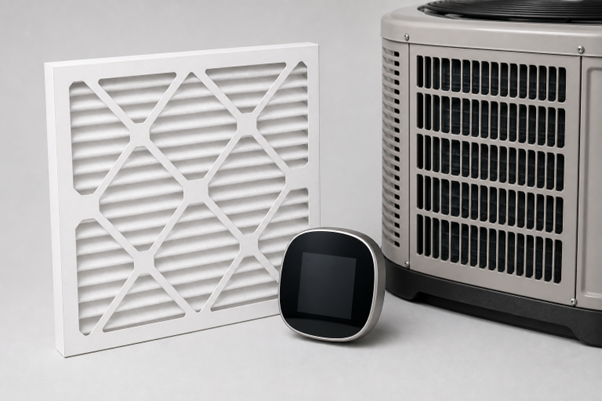
A clogged filter limits the air moving through the system. Warning signs include weak airflow at vents, longer run times, uneven room temperatures, and a coil that may eventually freeze. Check the filter monthly, especially in homes with pets, smokers, frequent dust, or allergy concerns.
Blocked or Dirty Outdoor Equipment
The outdoor condenser needs open space to release heat. Leaves, cottonwood, grass, and overgrown shrubs can trap heat around the unit and force it to work harder. Gently remove loose debris, but avoid high-pressure spray and do not bend the thin metal coil fins.
Low Refrigerant or a Refrigerant Leak
Refrigerant does not get used up like fuel. If the charge is low, there is usually a leak or another mechanical issue. Weak cooling, hissing noises, frozen lines, and unusually long cycles are common warning signs. A trained technician should locate the leak, make the repair, and charge the system correctly.
Frozen Evaporator Coil
Ice on the indoor coil or refrigerant line can result from restricted airflow, a dirty filter, blower problems, or low refrigerant. Turn off cooling if ice appears and let the system thaw. Do not scrape at the coil, because its delicate fins and tubing can be damaged easily.
Thermostat and Ductwork Problems
Dead batteries, inaccurate sensors, or a thermostat located near the sun, lamps, kitchens, or drafts can create misleading readings. Leaky, crushed, or poorly connected ducts can also send cooled air into an attic, crawlspace, or wall cavity instead of the rooms where it is needed.
How Airflow Affects Comfort
Airflow is one of the most overlooked parts of cooling performance. Closing too many vents can raise pressure in the duct system and reduce circulation elsewhere. Return grilles are equally important because they bring warm air back to the equipment. Seasonal service should include blower, coil, and airflow checks, since airflow problems can reduce system efficiency and make rooms feel unevenly cooled.
A Practical Maintenance Plan
Monthly and Seasonal Tasks
- Inspect the filter, vents, returns, and outdoor unit once each month.
- Watch for new odors, rattling, water leaks, reduced airflow, or a sudden increase in utility costs.
- Schedule a cooling checkup in spring, before high-demand summer weather arrives.
- Ask the technician to inspect coils, electrical connections, condensate drainage, blower components, and refrigerant performance.
- Use blinds, curtains, and ceiling fans during hot afternoons. Fans improve comfort for people, but they do not lower the temperature of an empty room.
When to Repair or Replace the System
One repair does not mean replacement is necessary. Consider the system’s age, repair history, energy use, comfort level, and the cost of the current problem. Frequent breakdowns, major compressor issues, rising bills, and rooms that never stay comfortable can justify a replacement evaluation. Bigger is not automatically better, because oversized equipment can cycle on and off too quickly. Proper sizing for the home should be based on a load calculation rather than square footage alone.
When to Call a Professional
Schedule prompt service if the system runs constantly without reducing the temperature, blows warm air, develops ice, leaks water indoors, trips a breaker repeatedly, or makes grinding, buzzing, hissing, or burning-smell symptoms. A thorough visit may include thermostat testing, airflow measurements, electrical diagnostics, drain inspection, coil inspection, refrigerant testing, and a review of duct distribution.
Ways to Keep the Home Cooler
Reduce the workload on the air conditioner by sealing obvious gaps around windows and doors, improving attic insulation where practical, shading sunny windows, and keeping heat-producing appliances away from the thermostat. If one room stays hot, investigate airflow and insulation before assuming the equipment needs to be replaced. Early maintenance and a timely professional diagnosis are usually the best ways to restore comfort before a small issue becomes an expensive breakdown.

