

Redefining Wellness and Mental Health: Beyond Surface-Level Self-Care
Many of us often think of wellness as simple self-care routines. We picture relaxing baths or healthy meals. But true mental wellness goes much deeper than these daily habits. It is about building a strong inner foundation. This helps us handle life’s challenges with strength and grace.
Mental health is more than just not being sick. It is a key part of our overall well-being. It shapes how we think, feel, and act every day. Understanding this deeper meaning, where our mind, body, and social world all connect, is vital for a fulfilling life.
In this guide, we will move past quick fixes. We will explore the many sides of mental wellness. We will learn how emotional strength and good relationships help us feel well for a long time. We will also uncover the deep links between our body and mind. This will help us create lasting well-being for ourselves and our communities.
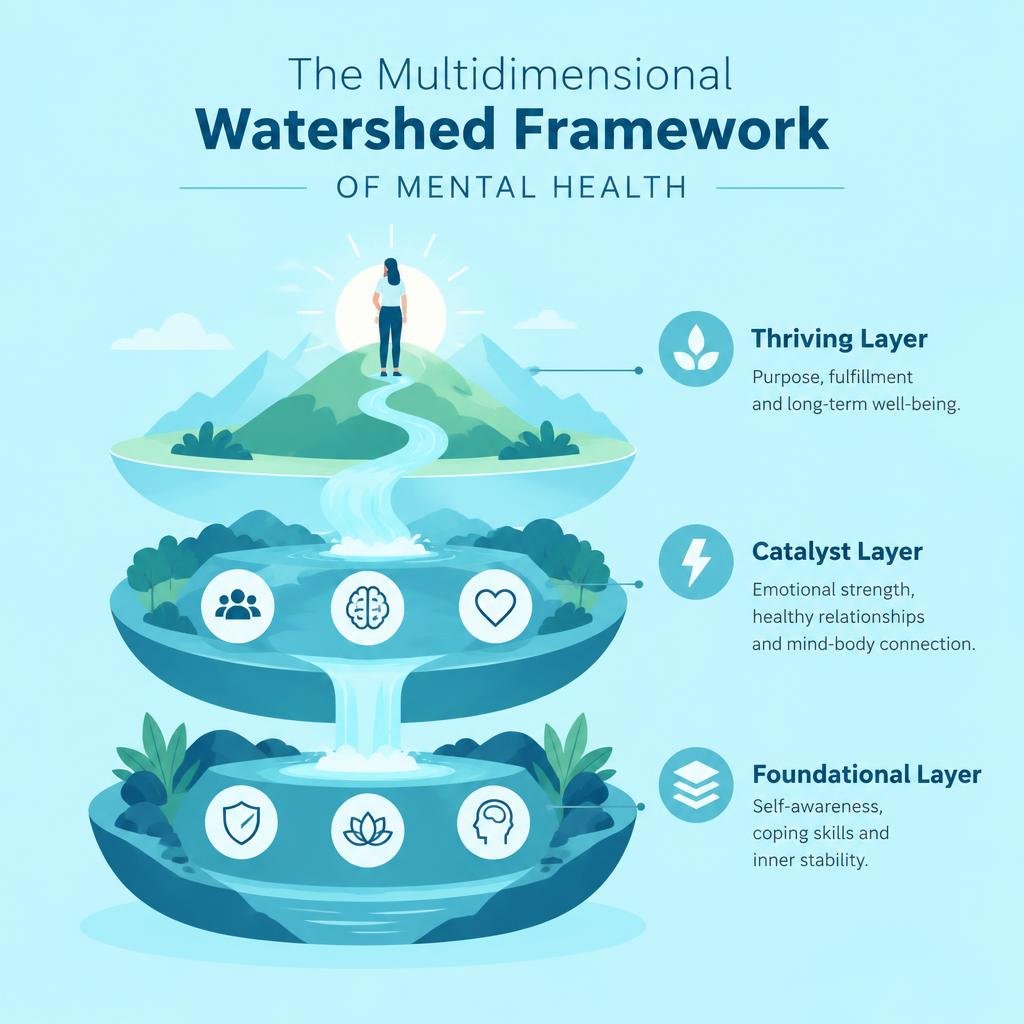
When we talk about “self-care,” images of bubble baths, face masks, or a quiet cup of tea often come to mind. While these activities can offer temporary relief and are certainly valuable, they represent only one facet of a much larger concept: true mental wellness. Mental wellness is a dynamic, ongoing process that involves emotional awareness, developing robust coping skills, and cultivating high-quality relationships. It’s about building a systemic well-being that supports us through life’s inevitable ups and downs, rather than just providing a momentary escape.
True mental wellness encompasses our ability to understand and manage our emotions, even uncomfortable ones. This involves developing emotional awareness—the capacity to recognize and name our feelings—and distress tolerance, which is the ability to withstand and cope with difficult emotions without resorting to harmful behaviors. Psychological resilience, our capacity to bounce back from adversity, is a cornerstone of this deeper wellness. It’s not about avoiding stress, but about having effective coping mechanisms to navigate it. For instance, while a spa day might temporarily soothe stress, true mental wellness equips us to identify the source of that stress, set boundaries, and address underlying issues.
The distinction is crucial because relying solely on surface-level self-care can sometimes mask deeper issues, preventing us from seeking the comprehensive support we might need. In fact, statistics from October 2026 indicate that between 35% and 50% of individuals who could benefit from mental health treatment never receive any intervention or therapy. This highlights a significant gap in understanding what genuine mental well-being entails.
To illustrate the difference, consider the following comparison:
Aspect Surface Self-Care Activities Sustainable Mental Wellness Practices Primary Goal Temporary relief, relaxation, immediate gratification Long-term emotional health, resilience, growth, systemic well-being Focus External activities, sensory pleasure Internal processing, skill-building, relational health Example Activities Taking a bath, getting a massage, watching TV Practicing mindfulness, setting boundaries, therapy, conflict resolution Impact on Challenges Provides a break from problems Develops tools to address and overcome problems Duration of Benefit Short-term Long-lasting, cumulative Underlying Principle Recharge Rebuild and strengthen Why Mental Wellness Is Not Constant Happiness
A common misconception is that mental wellness means feeling happy all the time. This couldn’t be further from the truth. Life naturally involves a full spectrum of emotions—joy, sadness, anger, fear, and everything in between. Mental wellness is not the absence of negative feelings, but rather the ability to experience, process, and learn from all emotions in a healthy way.
Our neurochemical balance plays a significant role in our emotional states, but even with optimal balance, the human experience is designed to be varied. Positive emotionality is certainly a goal, but it’s understood within the context of a rich and complex inner life. Healthy grieving, for example, is a necessary process following loss, and it involves deep sadness. Suppressing such emotions in pursuit of constant happiness can be detrimental to our psychological flexibility—our ability to adapt to changing circumstances and demands. Mental wellness allows us to acknowledge and move through these feelings, rather than getting stuck in them or pretending they don’t exist. It’s about stress adaptation, learning to navigate and grow from challenging situations, rather than being perpetually cheerful regardless of reality.
The Impact of Emotional Resilience and Relationships on Wellness and Mental Health
Emotional resilience and the quality of our relationships are foundational pillars of lasting mental well-being. Resilience, as mentioned, is our capacity to adapt and recover from stress and adversity. Research consistently demonstrates its protective power: individuals with high scores in resilience have shown a 38% decrease in their risk of mortality compared to those with low resilience, based on a 12-year follow-up study of over 10,000 older adults. This suggests that the ability to cope effectively with life’s stresses directly impacts our longevity and quality of life.
Our relational health, or the strength and quality of our social ties, is equally vital. Strong social relationships are not just comforting; they are a matter of survival. A 2025 meta-analysis of 148 studies revealed a remarkable statistic: individuals with strong social relationships have a 50% increased likelihood of survival compared to those with weaker ties. This profound impact underscores why social connections are considered one of the nine hallmarks of mental health and well-being.
Cultivating healthy relationships involves actionable steps like setting boundaries with draining relationships, practicing self-compassion, and allowing for vulnerability. These actions foster trust, mutual support, and a sense of belonging, which are critical buffers against stress and loneliness. Furthermore, taking care of our physical self, such as engaging in activities that make us feel good about our appearance, can also contribute to our overall confidence and willingness to engage socially. For instance, some find that investing in aesthetic skin and body treatments can enhance their self-image, which in turn supports their mental and social well-being. This holistic approach recognizes that how we feel about ourselves physically can influence our mental state and social interactions.
Biological Foundations: Circadian Biology, Physiology, and Neurological Vitality

Our mental health is intricately linked to our biological rhythms and physical well-being. Far from being separate entities, the mind and body operate as a unified system, with foundational elements like sleep, circadian rhythms, and physical health acting as critical determinants of our mental state.
Circadian rhythms, our internal 24-hour biological clock, regulate vital functions, including our sleep-wake cycle, hormone release, and body temperature. Disruptions to these rhythms are not merely inconvenient; they are strongly associated with various psychiatric disorders, including depression, bipolar disorder, and anxiety. Maintaining consistent sleep-wake times and limiting evening screen exposure are simple yet powerful ways to support these rhythms. Sleep recovery, particularly the restorative deep and non-REM sleep stages, is essential for cognitive performance, emotional regulation, and memory consolidation.
The impact of sleep on long-term brain health is profound. Research published in 2021 found that participants who consistently slept 6 or fewer hours per night at ages 50, 60, and 70 had a 30% increased risk of developing dementia compared to those who reported sleeping 7 hours or longer. This highlights the critical role of adequate sleep in dementia risk reduction. Given that 20-30% of adults report insomnia symptoms, prioritizing sleep hygiene and seeking interventions like bright-light exposure in the morning to align circadian rhythms can be transformative for mental and neurological vitality.
Optimizing the Gut-Brain Axis and Neuro-Immune Health
Beyond sleep, our physical health acts as a powerful catalyst for mental well-being. The gut-brain axis, a bidirectional communication system between our digestive tract and our brain, is a prime example of this connection. A healthy gut microbiome, teeming with beneficial bacteria, can influence neurotransmitter production (like serotonin and dopamine), reduce inflammation, and impact our mood and cognitive function.
Optimizing this axis involves conscious dietary choices. Incorporating brain superfoods such as almonds, rich in vitamin E and healthy fats, and salmon, packed with omega-3 fatty acids, can support neurological health and dopamine synthesis. An anti-inflammatory nutrition plan, emphasizing whole foods and minimizing processed items, also contributes to overall neuro-immune health, reducing systemic inflammation that can negatively affect brain function and mood.
Physical activity also plays a direct role. Engaging in vigorous exercise boosts cerebral blood flow, delivering essential nutrients and oxygen to the brain, and triggers the release of endorphins and dopamine, which are powerful mood stabilizers. This direct physiological benefit of exercise demonstrates why physical health is not just about the body, but fundamentally about the mind.
Integrating Mind-Body Practices into Daily Wellness and Mental Health Routines
Integrating mental health into our overall wellness routines means adopting practices that acknowledge the inseparable connection between mind and body. This goes beyond simply “eating healthy” or “exercising”; it involves understanding how these actions directly impact our brain and emotional state.
- Aerobic Exercise: Regular cardiovascular activity, such as brisk walking, jogging, or cycling, has been shown to reduce symptoms of anxiety and depression, improve cognitive function, and enhance self-esteem. Aim for at least 30 minutes most days of the week.
- Mindfulness Meditation: Practices like mindfulness meditation help us cultivate emotional regulation by focusing on the present moment without judgment. This can reduce stress, improve attention, and foster a greater sense of calm.
- Heart-Rate Variability (HRV) Training: Techniques like paced breathing can improve HRV, an indicator of our autonomic nervous system’s flexibility and our ability to adapt to stress. Higher HRV is associated with better emotional regulation and resilience.
- Progressive Relaxation: This technique involves tensing and then relaxing different muscle groups, helping to release physical tension and calm the mind.
- Habit Stacking: Integrating these practices by “stacking” them onto existing routines can make them more sustainable. For example, practicing five minutes of mindfulness immediately after brushing your teeth.
These mind-body practices are not just add-ons; they are essential components of a comprehensive approach to mental wellness, fostering vitality and resilience from within.
Proactive Mental Healthcare and Community Support Systems

In the evolving landscape of mental health, we are increasingly recognizing the immense benefits of proactive mental healthcare, moving beyond a reactive approach that only addresses crises. Therapy, for instance, is not solely for individuals in acute distress. Preventive counseling and non-crisis therapy can be invaluable tools for personal growth, stress management, relationship improvement, and emotional clarity, even when we are not experiencing a mental health crisis.
Seeking therapy proactively helps to destigmatize mental health support, framing it as an investment in oneself, much like physical fitness or education. It provides a safe, confidential space to develop healthier coping strategies, understand complex emotions, and address unresolved past pain. This approach supports proactive mental wellness by equipping individuals with tools before challenges escalate, fostering a stronger foundation for resilience.
Navigating healthcare systems can be daunting, but understanding available resources is key. Many mental health professionals offer initial consultations, and primary care providers can often offer referrals to qualified therapists.
Clinical Assessments and Specialized Psychological Evaluations
Beyond general counseling, specialized clinical assessments and psychological evaluations play a crucial role in understanding and addressing specific mental health needs. These evaluations use diagnostic frameworks to provide objective insights into an individual’s cognitive, emotional, and behavioral functioning. They can be particularly helpful in cases of trauma recovery, where a thorough assessment can guide tailored therapeutic interventions.
For individuals facing unique life transitions or legal requirements, specialized evaluations can be indispensable. For example, psychological evaluations for immigration cases require a specific expertise to assess mental health conditions that may impact immigration proceedings, such as extreme hardship waivers or asylum claims. These assessments provide objective, professional insights that can be critical in complex situations, helping individuals navigate challenging circumstances with appropriate support and documentation. Such evaluations contribute significantly to understanding an individual’s coping strategies and overall well-being in the face of significant life changes.
The Protective Power of Social Connectedness and Lived Experience
Revisiting the theme of social connections, their role extends far beyond personal relationships to encompass the broader community. Loneliness mitigation through community engagement and peer support programs is a powerful strategy for enhancing mental well-being. These initiatives foster a sense of belonging and mutual understanding, which are vital for community resilience.
The World Health Organization (WHO) emphasizes the importance of integrating lived experience into mental health policy and service design. This means actively involving people with personal experience of mental health conditions as experts, ensuring that services are person-centered and effective. As of 2026, 80% of countries with a mental health policy reported consulting individuals with lived experience during its development, highlighting a growing recognition of their invaluable insights. This integration of lived experience helps build social capital within communities, creating systems that truly meet the needs of those they serve. Community-based care, which prioritizes local, accessible support over institutionalization, is increasingly recognized as a more acceptable and effective model for mental health support.
Transforming the Workplace: Fostering Sustainable Organizational Wellbeing

The workplace is a significant determinant of mental health, influencing stress levels, social connections, and overall well-being. Recognizing this, forward-thinking employers are moving beyond basic benefits to implement comprehensive workplace wellness programs that prioritize mental health. These programs are not just a perk; they are a strategic investment that can significantly improve employee mental health and productivity.
A mentally healthy workplace fosters psychological safety, where employees feel comfortable expressing concerns and making mistakes without fear of retribution. This environment is crucial for burnout prevention, especially given that one out of five adults reports experiencing fatigue. Investing in employee mental health can lead to substantial returns: companies with robust wellness programs often see reduced healthcare costs, lower absenteeism, and increased employee engagement and morale. The average company spends approximately $1,252 to train a new employee, making employee retention a key financial incentive for fostering a supportive culture. Happy employees have also been shown to have lower workers’ compensation claims and take fewer sick days.
Here’s how traditional wellness initiatives compare to integrated mental health programs:
Feature Traditional Wellness Initiatives Integrated Mental Health Programs Primary Focus Physical health (e.g., fitness challenges, biometric screenings) Holistic well-being, psychological safety, emotional support Scope Often individual-centric, reactive Systemic, proactive, cultural Key Offerings Gym memberships, nutrition workshops, smoking cessation EAP (Employee Assistance Programs), therapy access, mental health training for managers, flexible work Impact on Stigma Can inadvertently increase stigma if not inclusive Actively works to reduce stigma, promotes open dialogue Measurement of Success Participation rates, physical health metrics Employee engagement, retention, productivity, stress levels, mental health outcomes Long-term Goal Reduce healthcare costs, improve physical health Create a supportive culture, enhance overall well-being, improve business outcomes Leadership Strategies and Job Crafting for Stress Reduction
Employers can take practical steps to foster a culture of mental wellness and reduce workplace stress. Leadership strategies are paramount, starting with managerial training that equips leaders to recognize signs of distress, communicate empathetically, and direct employees to appropriate resources.
One innovative approach is job crafting, where employees proactively redesign their jobs to better fit their strengths, passions, and values. This can involve altering tasks, relationships, or perceptions of their work, leading to increased meaning, engagement, and reduced burnout. For example, an employee might shift from repetitive data entry to more analytical project work, enhancing their sense of purpose.
Other practical steps include:
- Workload Balance: Implementing policies that encourage reasonable workloads and discourage excessive overtime.
- Ergonomic Environments: Providing ergonomic office furniture and creating comfortable, functional workspaces.
- Sound Masking: Utilizing sound masking systems to reduce distracting noise, creating a spa-like atmosphere that supports focus and reduces cognitive load.
- Mindfulness Sessions: Offering on-site or virtual mindfulness or meditation sessions.
- Stress Management Tools: Introducing tools like the Eisenhower Matrix to help employees prioritize tasks and manage their time effectively, reducing feelings of overwhelm.
- Culture Design: Actively designing a workplace culture that values well-being, encourages breaks, and supports open conversations about mental health.
By integrating these strategies, employers can create an environment where employees feel supported, valued, and empowered to thrive, ultimately leading to a more productive and resilient workforce.
Frequently Asked Questions About Mental Health and Wellness
What is the fundamental difference between self-care and mental wellness?
Self-care typically refers to activities that provide temporary relief, relaxation, or immediate gratification, such as taking a warm bath or enjoying a hobby. While beneficial for recharging, it’s often a surface-level approach. Mental wellness, in contrast, is a deeper, ongoing process that involves developing emotional awareness, robust coping skills, and cultivating high-quality relationships. It’s about building systemic resilience and psychological flexibility to navigate life’s full emotional spectrum, not just finding temporary relief from distress.
When should someone seek therapy if they are not in a crisis?
Therapy is not solely for crisis situations. Many individuals seek therapy for preventive care, personal growth, and to enhance their overall well-being. It can be beneficial for understanding relationship dynamics, improving communication skills, developing healthier coping mechanisms, or gaining emotional clarity during significant life transitions. Proactive therapy can help individuals build resilience and address potential challenges before they escalate, fostering a stronger foundation for long-term mental health.
How do circadian rhythms directly impact daily emotional stability?
Circadian rhythms are our internal biological clocks that regulate various bodily functions, including sleep-wake cycles, hormone release, and mood. Disruptions to these rhythms, often caused by irregular sleep patterns, shift work, or excessive screen time, can significantly impact emotional stability. They can lead to imbalances in neurotransmitters, affect melatonin regulation, and disrupt sleep architecture, all of which are linked to increased risks of mood disorders like depression and anxiety. Maintaining consistent sleep schedules and optimizing light exposure helps align these rhythms, promoting better mood regulation and cognitive recovery.
Conclusion
Our journey through the landscape of mental health and wellness reveals a profound truth: it is a complex, multifaceted ecosystem, much like a cascading watershed where every stream influences the whole. True mental wellness extends far beyond simple self-care, encompassing emotional resilience, the strength of our relationships, and the foundational biological rhythms that govern our very being.
We have seen that mental wellness is not about perpetual happiness, but about developing the capacity to navigate the full spectrum of human emotions with grace and adaptability. It is nurtured by strong social connections, optimized by attention to our circadian biology, gut-brain axis, and physical health, and fortified by proactive engagement with mental healthcare, even when we are not in crisis. From individual practices like mindfulness and exercise to systemic changes in our workplaces and communities, every effort to deepen our understanding and support of mental health contributes to a more resilient and thriving society. By embracing this holistic integration, we can cultivate lifelong resilience and cross-domain wellness for ourselves and for future generations.

