

The Transformative Power of Youth Music Education
Music education is far more than just learning to play an instrument; it’s a holistic developmental journey that profoundly impacts children and teens. Engaging with music cultivates a rich tapestry of skills and attributes, fostering growth in cognitive, emotional, and social domains. From the earliest years, exposure to music can shape a child’s brain, enhance their emotional intelligence, and prepare them for collaborative environments.
Cognitive and Social Benefits for Youth
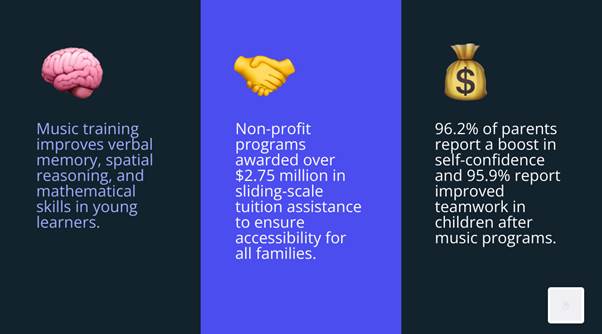
The benefits of youth music education are extensive and well-documented. For young learners, music acts as a powerful catalyst for cognitive development. Studies consistently show that musical training can improve memory retention, particularly in areas related to verbal memory, spatial reasoning, and mathematical skills. The intricate process of reading music, understanding rhythm, and coordinating movements with sound demands a high level of critical thinking and problem-solving. Children learn to identify patterns, anticipate changes, and adapt their performance in real-time, all of which are transferable skills crucial for academic success and everyday life.
Beyond cognitive gains, music education is a cornerstone for building essential social and emotional competencies. Participating in a band, orchestra, or choir teaches invaluable lessons in teamwork and collaboration. Students learn to listen actively, synchronize their efforts with others, and contribute to a collective sound, understanding that their individual part is vital to the whole. This collaborative environment fosters empathy and mutual respect. Moreover, the act of performing, whether in a small group or a large ensemble, significantly boosts self-confidence. We’ve seen compelling evidence of this; for instance, an independent survey revealed that a remarkable 96.2% of parents observed a boost in their child’s self-confidence after joining programs like those offered by School of Rock. Similarly, 95.9% of parents reported improved teamwork skills in their children after participation, underscoring music’s profound impact on social development. This development of self-discipline, perseverance, and the ability to handle constructive feedback are all integral to a child’s emotional resilience and overall well-being.
Inclusivity and Accessibility in Community Music Programs
Recognizing the transformative power of music, many organizations are dedicated to making music education accessible to all youth, regardless of their socioeconomic background. This commitment to inclusivity is often a hallmark of community music schools and non-profit organizations. Unlike some for-profit lesson providers, these entities frequently operate with a mission-driven approach, prioritizing community enrichment over profit margins.
A key strategy for fostering accessibility is the implementation of sliding-scale tuition assistance. Programs like the Youth Music Project, for example, have awarded over $2.75 million in tuition assistance since 2012, serving more than 7,500 students. This model ensures that families facing financial constraints can still enroll their children in high-quality music programs, with tuition adjusted based on income levels. Eligibility criteria often include income at or below a certain percentage of the Federal Poverty Line or status in foster care, ensuring support reaches those most in need.
Another significant barrier to music education is the cost of instruments. To address this, many non-profit organizations offer instrument rentals, allowing students to access necessary equipment without the substantial upfront investment of purchasing. This reduces the financial burden on families and encourages broader participation. By providing these crucial support mechanisms, community music programs strive to create an equitable environment where every child has the opportunity to discover their musical potential and experience the myriad benefits of music education. These organizations often rely on donations and community support to sustain their efforts, making music a shared resource for the entire community.
The Role of a Community Performing Arts Venue in Youth Education
While classroom instruction and private lessons lay the foundational skills, the true magic of music often comes alive on stage. This is where community performing arts venues play an indispensable role in youth music education. These venues are not merely spaces for entertainment; they are vital learning laboratories where young musicians can translate their practice into performance, experiencing the culmination of their hard work in a professional setting.
How a Performing Arts Venue Connects Local Youth to Live Shows
A community performing arts venue offers young musicians an unparalleled opportunity for real-world stage experience. Stepping onto a professional stage, with proper lighting and sound engineering, provides a completely different dimension to their learning. It’s here that students learn to command an audience, manage stage fright, and adapt to the dynamics of live performance. The acoustics of a dedicated venue, designed to enhance sound, allow students to hear themselves and their ensemble members with clarity, fostering a deeper understanding of balance and blend.
These live shows are more than just recitals; they are cultural enrichment experiences. They teach students about the art of presentation, the importance of engaging an audience, and the unique energy exchange that occurs during a live performance. For many, it’s their first taste of being a part of a larger artistic community, inspiring them to pursue music with greater passion and dedication. The opportunity to perform in such a setting, like at a local performing arts venue, provides a tangible goal that motivates practice and commitment, transforming abstract musical concepts into a vibrant, shared experience.
Diverse Ensembles and Musical Style Exploration
Community performing arts venues often host a wide array of diverse ensembles, providing young musicians with opportunities to explore various musical styles and traditions. From the classical precision of a youth orchestra to the improvisational spirit of a jazz band, and the rhythmic energy of rock workshops, these venues accommodate a broad spectrum of musical expression. This exposure is critical for developing well-rounded musicianship, allowing students to discover genres that resonate with them and broaden their artistic horizons.
For example, some programs might offer specialized instruction in traditional forms, such as a mariachi ensemble, where students learn to play instruments like the vihuela, guitarrón, violin, and trumpet, while also engaging with rich cultural heritage. Other venues might host choral music groups, encouraging vocal development and harmony. These diverse opportunities ensure that music education is not monolithic but rather a dynamic and inclusive field where every student can find their niche and develop their unique voice. The goal is to provide a comprehensive musical journey that celebrates both individual talent and collective artistry.
Key Components of Local Youth Music Programs
When searching for youth music education programs, families will encounter a wide variety of structures, teaching methodologies, and specializations. Understanding these key components is essential for making an informed choice that aligns with a child’s age, interests, and learning style. Local programs are designed to cater to a broad spectrum of needs, from foundational learning for preschoolers to advanced ensemble work for teenagers.
Programs Across Age Groups and Skill Levels
Youth music programs are meticulously structured to serve various age groups and skill levels, ensuring that every child can find an appropriate entry point and progression path.
- Preschool Music (Ages 3-5): For the youngest learners, programs like School of Rock’s “Little Wing” or “Mini Music Makers” focus on foundational musical concepts through play. These classes often involve interactive games, hand percussion, and movement to teach rhythm, melody, and dynamics. The goal is to foster a natural love for music and build basic auditory and motor skills.
- Elementary Rhythm and Instrument Introduction (Ages 6-7): Programs like School of Rock’s “Rookies” or similar community music school offerings introduce elementary-aged children to basic instruments and group dynamics. These classes might use simplified instruments or focus on a specific instrument family, like strings or percussion, to build coordination and early technique.
- Intermediate Group and Private Lessons (Ages 8-13): As children grow, programs like “Rock 101” or community band/orchestra options offer more structured learning. This often includes a combination of weekly private lessons for instrument-specific technique and group rehearsals for ensemble playing. This age group begins to delve deeper into music theory, sight-reading, and ensemble performance.
- Teen Bands and Advanced Ensembles (Ages 12-18): For teenagers, the focus often shifts towards advanced performance opportunities. Programs like School of Rock’s “Performance Program,” “House Band,” or RiverCity Music Store’s “Ruckus” and “Reapers” emphasize band formation, songwriting, and regular live shows. Students at this level typically have a solid grasp of their instrument and are ready for more complex musical challenges and collaborative projects.
- Specialized Instruction: Beyond age-based progression, many programs offer specialized instruction in various instruments such as guitar, drums, piano, bass, voice, cello, flute, saxophone, violin, viola, ukulele, and banjo. Some even delve into contemporary fields like music production and songwriting, catering to diverse interests and career pathways.
Regardless of the age or skill level, the emphasis remains on fostering a love for music, building confidence, and developing critical life skills through musical engagement.
Cultural Heritage and Ensembles: Mariachi Programs
A particularly vibrant and culturally rich aspect of youth music education is the offering of mariachi programs. These ensembles go beyond typical instrumental instruction, serving as a powerful vehicle for cultural preservation and community connection. In a mariachi ensemble, students learn to play traditional instruments such as the vihuela (a small, five-string guitar-like instrument), guitarrón (a large, six-string bass guitar), violins, trumpets, and traditional guitars.
Learning mariachi music involves mastering specific techniques and understanding the genre’s unique harmonic and rhythmic structures. But it’s more than just technical skill; it’s about embodying the spirit and history of Mexican culture. Participants learn about the origins of mariachi, the stories behind the songs, and the significance of the music in community celebrations. These programs often culminate in community showcases, where young musicians perform for local audiences, sharing their talent and cultural pride. This not only enhances their musical abilities but also strengthens their cultural identity and fosters a sense of belonging within a rich tradition. Such specialized programs highlight how music education can be deeply intertwined with cultural heritage, offering a unique and enriching experience for young people.
How Families Can Select the Ideal Music Program
Choosing the right music program for your child is a significant decision that involves considering various factors beyond just the instruments offered. It requires careful thought about logistics, teaching philosophy, and the overall environment that will best support your child’s musical journey.
Choosing the Right Performing Arts Venue for Student Ensembles
When evaluating programs that involve ensemble performances, the quality and availability of a performing arts venue are crucial. Families should consider several aspects of the venue itself:
- Performance Spaces: Does the program utilize professional-grade performance spaces? Access to a stage with good lighting and sound equipment can significantly enhance the learning and performance experience.
- Acoustic Quality: A venue with excellent acoustics can make a world of difference in how an ensemble sounds and how students perceive their own performance.
- Practice Facilities: Beyond the main stage, are there adequate practice rooms and ensemble spaces available for rehearsals? Multiple practice rooms and dedicated ensemble spaces are indicators of a well-resourced program.
- Safety Standards: Ensure the venue adheres to high safety standards, especially when children are involved in rehearsals and performances.
- Public Access and Location: Consider how accessible the venue is for family and friends attending performances. A conveniently located venue within the community fosters greater engagement and support.
The opportunity to perform in a dedicated performing arts venue not only builds confidence but also provides a realistic experience of what it means to be a musician. It transforms practice into purpose, giving students a tangible goal and a platform to share their talents.
Summer Camps and Live Showcase Opportunities
Summer camps are an excellent way for youth to immerse themselves in music education during school breaks. These camps often offer intensive, week-long programs that combine instruction with creative projects and performance opportunities. For example, some camps might have students form bands, choose band names, take band photos, and even write and record original music, culminating in a live concert for family and friends. This immersive experience allows for rapid skill development and fosters strong bonds among participants.
Live showcase opportunities, whether through summer camps or year-round programs, are critical components of a comprehensive music education. They provide students with invaluable stage experience, helping them develop stage presence, overcome performance anxiety, and learn to interact with an audience. Some programs even offer recording opportunities, allowing students to experience the process of audio engineering and create professional-quality recordings of their work. These experiences are not just about playing music; they are about building confidence, fostering creativity, and developing a sense of accomplishment that extends far beyond the stage.
Frequently Asked Questions About Youth Music Education
Families often have many questions when considering music education for their children. Here, we address some of the most common inquiries to help guide your decision-making process.
What age should children begin learning an instrument?
There’s no single “right” age to begin learning an instrument, as it largely depends on the child’s developmental readiness, interest, and the type of instrument. However, early childhood music programs, starting as young as 3-5 years old, are excellent for introducing foundational musical concepts. These programs often focus on rhythmic games, singing, movement, and exploring different sounds, which build crucial pre-instrumental skills.
For more formal instrument instruction, many children are ready for piano or violin around ages 5-7, as these instruments can be adapted for smaller hands and require less lung capacity. Wind instruments often suit children aged 8-10, when their physical development allows for better breath control and finger dexterity. The most important factor is the child’s genuine interest and enthusiasm. A child who is excited to learn will be more motivated and successful, regardless of their exact age. It’s also important to consider that music education is a lifelong journey, and it’s never too late to start.
How do non-profit arts organizations make music accessible?
Non-profit arts organizations play a crucial role in democratizing music education, making it available to a wider segment of the population. Their primary mission often revolves around community service rather than profit generation. They achieve accessibility through several key mechanisms:
- Sliding-Scale Tuition: As discussed, many non-profits offer tuition fees that are adjusted based on a family’s income, ensuring that financial constraints do not prevent a child from participating.
- Instrument Loaner Programs: The high cost of purchasing instruments can be a significant barrier. Non-profits often maintain an inventory of instruments that students can rent or borrow for a nominal fee, or even for free, removing this financial hurdle.
- Scholarships and Financial Aid: Beyond sliding scales, many organizations provide full or partial scholarships funded by donations, grants, and community support.
- Community Grants and Partnerships: Non-profits actively seek grants from foundations and engage in partnerships with local schools and community centers. These collaborations can bring music programs directly into underserved areas or provide funding for specific initiatives.
- Advocacy: Organizations like Save The Music have been instrumental in advocating for music education in public schools, donating instruments and technology, and providing teacher support services. Their efforts have supported over 2,800 schools across the U.S., helping to start or restore music programs for millions of students who might otherwise lack access. This holistic approach ensures that music education reaches diverse communities and empowers children from all backgrounds.
Why is live performance essential for young musicians?
Live performance is an indispensable component of music education, offering benefits that cannot be replicated in a practice room. It serves as the ultimate test and celebration of a musician’s skills, fostering growth in several critical areas:
- Stage Confidence: Performing in front of an audience builds immense self-confidence and self-esteem. It teaches young musicians to manage nerves, project their presence, and effectively communicate through their music.
- Ensemble Unity and Collaboration: When performing in a group, musicians learn to listen intently to each other, respond in real-time, and adapt their playing to create a cohesive sound. This experience strengthens their understanding of ensemble unity and the importance of each member’s contribution.
- Real-Time Feedback and Adaptability: Live performance demands quick thinking and adaptability. Musicians learn to adjust to unexpected situations, whether it’s a technical glitch or an audience reaction, which hones their problem-solving skills under pressure.
- Performance Mastery: The act of preparing for and executing a live performance refines technical skills, musicality, and interpretation. It provides a tangible goal that motivates rigorous practice and attention to detail.
- Emotional Expression and Connection: Performing allows young musicians to connect with an audience on an emotional level, sharing their passion and the stories embedded in the music. This deepens their appreciation for music as a form of communication and personal expression.
Live performance transforms a student into an artist, providing invaluable experiences that shape not only their musical journey but also their personal development.
Conclusion
The journey through youth music education is a profound and enriching experience, offering a wealth of benefits that extend far beyond musical proficiency. From the earliest rhythmic games to advanced ensemble performances, music fosters cognitive development, builds emotional resilience, and cultivates essential social skills like teamwork and collaboration. The dedication of community music schools and non-profit organizations ensures that these transformative opportunities are accessible to all, through initiatives like sliding-scale tuition and instrument rentals.
The integration of performing arts venues into this educational landscape provides young musicians with invaluable real-world experience, allowing them to hone their skills on stage and connect with audiences. This holistic approach to music education not only nurtures artistic growth but also strengthens community bonds and preserves cultural heritage. As we look towards the future, ensuring robust and accessible youth music programs remains a vital investment in the development of well-rounded, confident, and creative individuals. The melody of youth music education truly creates a lifelong symphony of learning and personal fulfillment.

